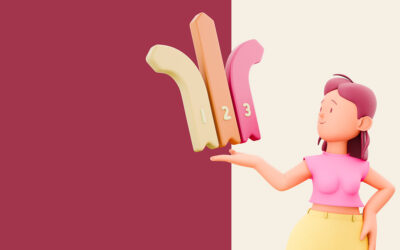

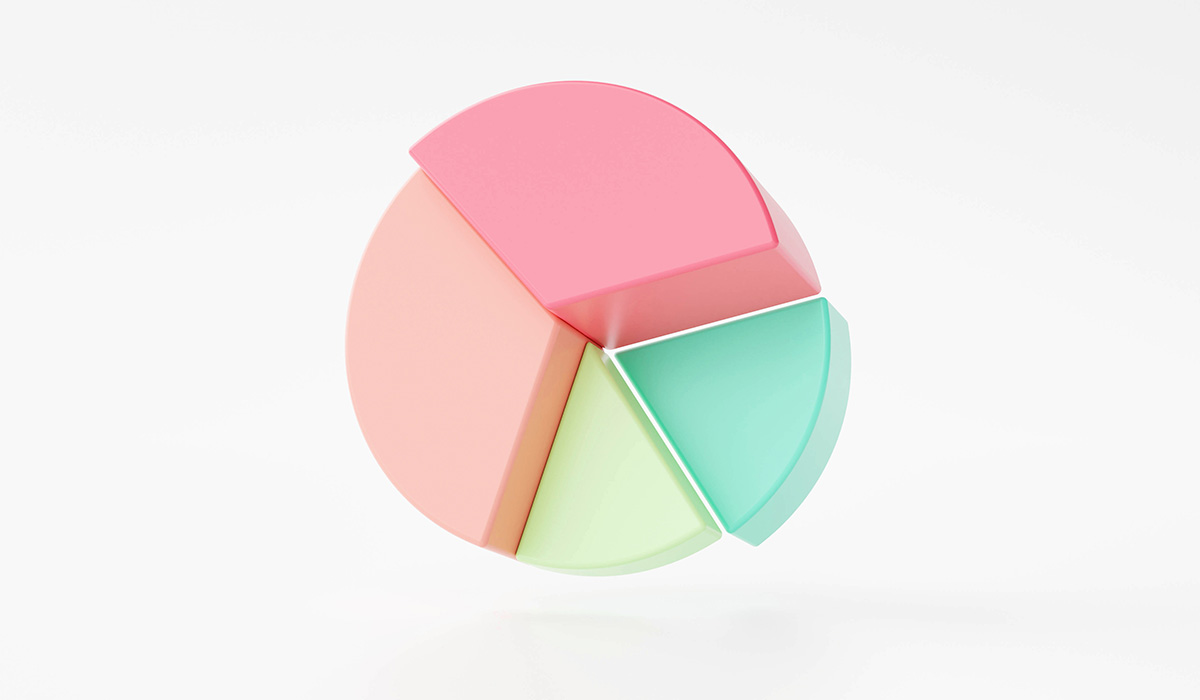
Managing your money doesn’t need to be complicated. One of the easiest ways to stay in control is the 50/30/20 rule – a simple guide that helps you balance your spending, saving, and lifestyle without needing a spreadsheet.
Here’s how it breaks down:
50% – Needs
Your essentials: rent or mortgage, bills, groceries, transport, insurance.
If you can’t realistically avoid it, it goes here.
30% – Wants
Meals out, clothes, trips, hobbies, entertainment.
These are the things that make life more enjoyable, the rule simply helps you keep them in check.
20% – Savings/Investments
This is where your financial progress happens: emergency fund, investing, or paying down debt faster.
Pay Yourself First: The rule that makes the rule work
Most people try to save whatever is left at the end of the month, which usually means there’s nothing left.
Paying yourself first flips that.
The moment your income hits your account, move your savings portion (that 20%) straight into a separate savings or investment account.
This does two things:
Your savings grow automatically.
You don’t rely on willpower or waiting to see what’s left.
Your spending adjusts naturally.
Whatever remains becomes your real budget.
Think of it as treating your future self like a bill, one that gets paid before anything else.
Why the combination works so well
The 50/30/20 rule gives you structure.
Paying yourself first gives you discipline.
Together, they remove the stress of managing money, stop overspending before it happens, and make saving feel effortless.
Even if you can’t stick to the exact percentages right now, the mindset is what matters:
Save first, spend second, and make sure the majority of your money is going exactly where you want it to go.
A simple system that builds long-term stability – one month at a time.